Stapler Applique Embroidery Review
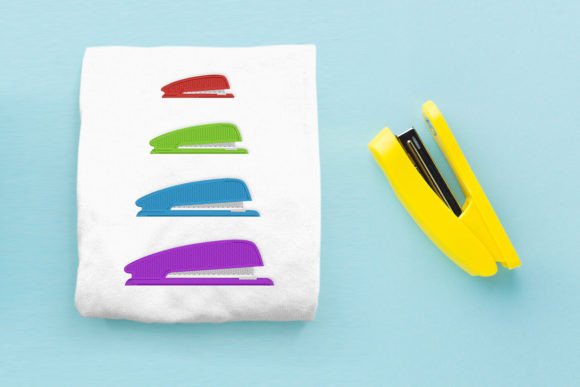
As a designer who spends more time than I care to admit staring at stitch charts and testing thread tensions, I approach every new machine embroidery design with a mix of skepticism and curiosity. We have all seen the endless stream of novelty designs flooding digital marketplaces. Some are brilliant, some are technically flawed, and most are forgettable. When I first pulled up the file for the Stapler Applique Embroidery, my initial reaction was one of amused recognition. It is not just another generic icon; it carries a specific narrative weight that speaks directly to office culture, creative chaos, and the universal love-hate relationship we have with administrative tools.
The prompt accompanying this design adds a layer of personality that is rare in standard embroidery files: "Keep it away from jello, and don’t let Milton see you have it." This suggests a playful, slightly rebellious tone. For a small business owner or an Etsy seller looking to add character to their inventory, this kind of built-in storytelling is gold. It transforms a simple image of a stapler into a conversation starter. But does it work as a serious applique design for a commercial product? Let’s break down how this embroidery project holds up in real-world application.
First Impressions and Visual Personality
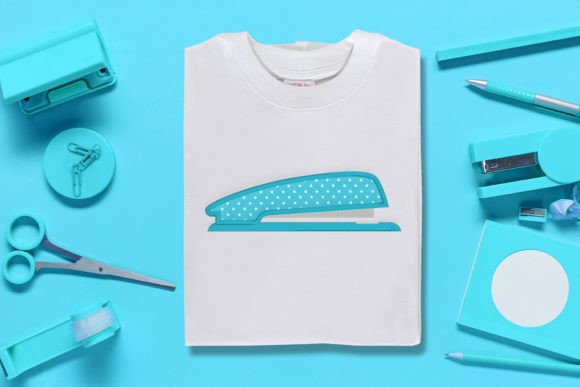
The visual appeal of this design lies in its simplicity and relatability. A stapler is a ubiquitous object, yet rendering it in thread requires careful consideration of shape and detail. The mood created by this piece is casual, witty, and grounded. It feels like something you would see on the apron of a quirky barista or the tote bag of a freelance graphic designer who appreciates irony.
From a layout perspective, the design likely balances bold outlines with enough internal detail to read clearly even when scaled down. In the world of custom apparel, clarity is king. If a customer cannot immediately identify the subject, the humor is lost. The stapler form provides strong geometric lines—perfect for satin stitch applications that define edges cleanly. However, the challenge always lies in the smaller components: the metal plate, the hinge, perhaps the lever. These elements need sufficient contrast and appropriate stitch density to avoid becoming a muddy blob of thread.
Real-World Application Scenarios
Where does this digital embroidery file shine? I see immense potential for personalized gifts and boutique branding. Imagine a custom embroidered patch sewn onto a denim jacket for a coworker’s farewell party. The humor translates well in that context. Or consider a kitchen towel or tea towel for a home office setup. The juxtaposition of a domestic item with an office tool creates a charming aesthetic that resonates with remote workers.
For Etsy sellers and crafter entrepreneurs, this design offers versatility across multiple product categories:
- Tote Bag Design: A canvas tote featuring this applique is both functional and fashionable. The sturdy fabric supports the weight of the applique without puckering, making it a safe bet for beginners and pros alike.
- Sweatshirt Embroidery: Placed on the pocket area of a crewneck sweatshirt, the design adds a subtle pop of personality. It works particularly well in neutral tones where the thread colors can stand out against the background.
- Baby Embroidery: While unexpected, a minimalist stapler applique on a baby onesie or burp cloth could appeal to parents who work in creative fields. It serves as a unique personalized gift that breaks away from traditional floral or animal motifs.
- Holiday Embroidery: During the winter holidays, gifting items with inside jokes or niche humor is increasingly popular. This design fits perfectly into a "gifts for the office manager" or "stocking stuffer" collection.
Furthermore, this design asset can be integrated into printable mockups for digital product previews. Even if you are selling the embroidery pattern itself, showing how it looks on a finished handmade product helps buyers visualize the end result, boosting conversion rates.
Technical Considerations and Stitch Quality
When evaluating any embroidery project, technical execution is paramount. Because this is an applique design, the process involves two main steps: stitching the base fabric (the applique) onto the garment, and then covering the raw edges with stitches. This method is excellent for creating clean, durable finishes, especially on fabric texture that might fray easily, like linen or unbleached cotton.
However, designers must pay close attention to stitch density. If the fill areas are too dense, the fabric may pucker, distorting the shape of the stapler. Conversely, if the density is too low, the underlying fabric may show through, ruining the visual integrity. Before committing to a full run of small shop products, it is crucial to test the design on scrap fabric. Check how the satin stitch handles the corners and curves of the stapler body. Are there gaps? Does the needle break?
Another critical factor is the choice of thread colors. A black stapler on a white shirt offers high contrast and clarity. A beige stapler on a khaki apron might blend in too much, losing definition. Experimenting with color combinations is part of the creative process. I recommend testing the design in black and white mockups first to ensure the silhouette reads correctly regardless of color choices.
Where to Use Caution
Not every surface is suitable for this type of detailed applique. Avoid placing this design on highly textured fabrics like heavy boucle wool, where the stitch path may become uneven. Thin fabrics require a robust stabilizer to prevent distortion during the hooping and stitching process. Stretchy knits can also pose challenges; unless you use a tear-away or cut-away stabilizer specifically designed for knits, the design may shift or warp.
Additionally, be mindful of hoop size limitations. If the design exceeds your machine’s maximum hoop dimensions, you will need to rehoop, which can lead to misalignment. Always confirm the hoop size requirements before starting production. Curved surfaces, such as baseball caps, require specialized capsizing hoops and extra care to maintain tension. For commercial embroidery projects where consistency is key, practicing on similar materials beforehand is non-negotiable.
Impact on Brand and Customer Trust
In the handmade marketplace, professionalism builds trust. A well-executed finished product signals that the maker cares about quality. The Stapler Applique Embroidery, when stitched correctly, conveys a sense of wit and craftsmanship. It shows that the seller understands their audience’s sense of humor and has the technical skills to bring it to life.
Customers are more likely to engage with products that evoke an emotional response. This design does exactly that. It invites comments, shares, and tags. For an Etsy seller or craft business owner, this engagement can translate into higher visibility and sales. The design’s uniqueness helps differentiate your offerings from mass-produced competitors who rely on generic imagery.
Final Designer Notes
Before incorporating this machine embroidery design into your workflow, remember these practical tips:
- Test First: Always stitch a sample on the exact fabric and stabilizer you plan to use.
- Check Licensing: Confirm whether the digital embroidery file allows for commercial use of the finished goods. This is vital for small business merchandise.
- Inspect Details: Zoom in on the digital preview. Are there tiny details that might get lost in stitching? Simplify if necessary.
- Choose the Right Stabilizer: The stability of your final product depends heavily on the support provided during stitching.
- Consider Your Audience: Does your target market appreciate office humor? Tailor your marketing copy to highlight the fun aspect of the design.
The Stapler Applique Embroidery is more than just a needle-and-thread interpretation of an office supply. It is a versatile, engaging design that can elevate a simple embroidered patch or tote bag design into a memorable piece of wearable art. By paying attention to technical details and understanding the context in which it will be used, you can create handmade products that resonate with customers and stand out in a crowded market. Just keep it away from jello, and you should be fine.