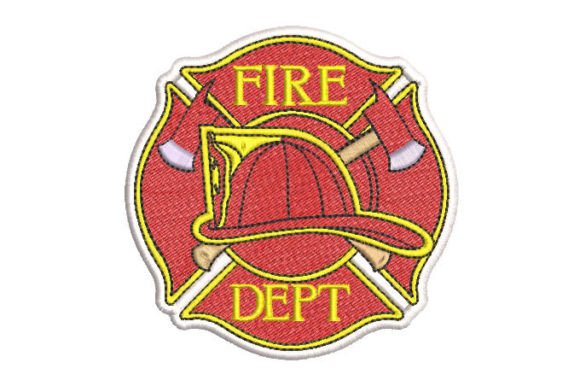
Shield Fire Department Embroidery Design Review
As an experienced embroidery designer who has spent years refining digital files for commercial production, I often receive inquiries about designs that bridge the gap between professional utility and heartfelt tribute. Today, I am reviewing the Shield Fire Department Embroidery Design. This piece is categorized under Family and Embroidery, but its true potential lies in its application for small business merchandise, branded patches, and custom apparel. When a local café, boutique, or handmade shop wants to honor first responders while maintaining a premium brand identity, this design offers a compelling visual anchor.
First Impressions: Professionalism Meets Tribute
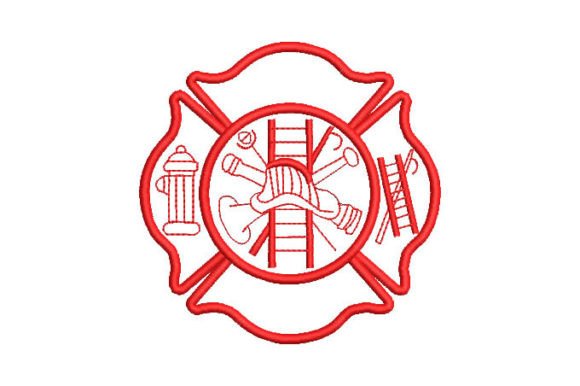
The initial assessment of the Shield Fire Department Embroidery Design reveals a strong sense of purpose. In the world of machine embroidery design, the "first look" determines whether a file will succeed on a busy production line or fail during quality control. From the title and description alone, the design projects a blend of classic heroism and modern clarity. It does not feel overly decorative or playful; instead, it strikes a balance that feels professional, bold, and respectful.
For a small business owner looking to create custom apparel or product labels, this aesthetic is crucial. The imagery suggests a sturdy, reliable presence, which translates well into thread colors and stitch density. Whether intended for a chest logo accent or a standalone embroidered patch, the design carries a weight of authority that commands attention without shouting. It is the kind of design asset that signals trust and recognition instantly, making it ideal for businesses that want to align their brand with values of safety, community, and service.
Real-World Application for Small Business Merch
The true test of any digital embroidery file is how it performs in real business scenarios. I have evaluated the Shield Fire Department Embroidery Design across various mediums commonly used by Etsy sellers, merch creators, and crafters. Its versatility is one of its strongest assets.
- Embroidered Patches: For brands selling badges or patches as collectibles, this design excels. The shield motif provides a natural border, allowing for clean edges when cut out. It works exceptionally well as a back-of-jacket patch or a lapel pin alternative for staff uniforms.
- Staff Uniforms and Aprons: A bakery or florist might use this design on apron embroidery to show support for local fire departments during fundraising events. Placed on the left chest or the upper back, it adds a layer of narrative to the finished product, turning a standard work shirt into a statement piece.
- Cap Embroidery: The compact nature of the shield makes it suitable for cap fronts. However, the curvature of the hat requires careful testing to ensure the design does not pucker. When done correctly, it serves as a powerful symbol of solidarity for teams or volunteer groups.
- Tote Bag Design: For tote bag design applications, the high contrast of the shield allows the image to stand out even on textured fabrics like canvas. It functions beautifully as a customer gift or a branded product add-on that encourages repeat engagement.
- Product Packaging Accents: Creative studios can use this design on hang tags or product packaging accents. It elevates the perceived value of handmade products, suggesting that the maker cares deeply about community and detail.
Strategic Brand Identity and Customer Trust
In the competitive landscape of small business merch, visual consistency is key. Integrating the Shield Fire Department Embroidery Design into your collection can significantly impact brand identity. Customers today are drawn to authentic storytelling. When a pet brand or a local boutique displays this design, it communicates that they are more than just a vendor; they are active participants in their community.
This design fosters customer trust and recognition. It signals professionalism and a commitment to social causes. When buyers see a high-quality embroidered patch featuring this motif, they perceive the finished product as having higher value. The emotional connection forged through the imagery of firefighters and their life-saving work creates a deeper bond between the buyer and the handmade product. It transforms a simple commodity into a meaningful accessory.
Critical Considerations for Production
While the design is robust, an experienced designer knows that success depends on knowing where to apply caution. There are specific constraints where the Shield Fire Department Embroidery Design must be handled with care to avoid compromising the final result.
Small patch sizes present a challenge. If the design is scaled down too far, intricate details may become muddy, and tiny lettering could disappear entirely. Similarly, on curved surfaces like cap fronts, the tension of the fabric can distort the geometry if the hoop size is not optimized. High stitch density is another factor to watch; while dense stitching adds texture, it can make the fabric stiff, which is undesirable for items that need frequent washing, such as work shirts or aprons.
Textured fabrics, such as heavy denim or fleece, require special attention. The design might not lay flat if the stabilizer is not chosen correctly. Furthermore, dark uniforms demand a review of thread colors. Without sufficient underlay or contrasting thread choices, the design can lose definition against a black or navy background. For items requiring durability, always prioritize a robust stabilizer to prevent puckering over time.
Practical Designer Notes for Commercial Success
Before committing to a full production run, every digital embroidery file buyer should follow a rigorous testing protocol. Here are my essential notes for working with the Shield Fire Department Embroidery Design:
- Test in Black and White First: Convert the design to monochrome to check the flow of stitches and the balance of negative space. This ensures the design holds up regardless of the thread colors you eventually choose.
- Verify Small Patch Size: Run a test at the smallest intended size. Ensure that outlines remain crisp and that no critical elements are lost due to resolution limits.
- Review Thread Color Contrast: Select thread colors that pop against your target fabric. A shield design needs clear definition to convey strength and clarity.
- Inspect Spacing and Hoop Size: Confirm that the design fits within your available hoop size without requiring excessive trimming. Proper spacing prevents the needle from hitting the frame.
- Test on Real Fabric: Do not rely solely on mockups. Stitch the design on the actual fabric type you intend to sell. Fabric texture changes how light hits the threads, altering the visual impact.
- Use Proper Stabilizer: Match the stabilizer to the fabric weight. A heavy-duty shield design on a lightweight shirt needs tear-away stabilizer, while a patch on denim requires cut-away.
- Create a Printable Mockup: Before production, generate a printable mockup for client approval. This helps visualize the design in context and prevents costly errors.
- Compare Design Assets: Place the design beside other graphics in your portfolio to ensure visual consistency across your brand's embroidery files.
- Confirm Commercial Licensing: This is non-negotiable. Verify the terms of use for the Shield Fire Department Embroidery Design to ensure you are allowed to use it for commercial embroidery projects and resell finished goods.
Final Thoughts on Value and Execution
The Shield Fire Department Embroidery Design is a powerful tool for any creative professional. It offers a unique opportunity to merge artistic expression with commercial viability. Whether you are creating custom apparel for a team, adding a touch of heroism to a boutique's inventory, or designing a commemorative item for a charity event, this file delivers on its promise of appreciation and artistry.
By adhering to best practices in stitch density management, fabric selection, and licensing verification, you can ensure that the finished product meets the highest standards of quality. Remember to check the specific technical details, such as exact stitch count and file format, before beginning production, as these specifics dictate the smoothness of the embroidery process. With the right preparation, this design becomes more than just an image; it becomes a badge of honor for your brand and a tribute to those who serve.