Mushroom House Embroidery Design Review
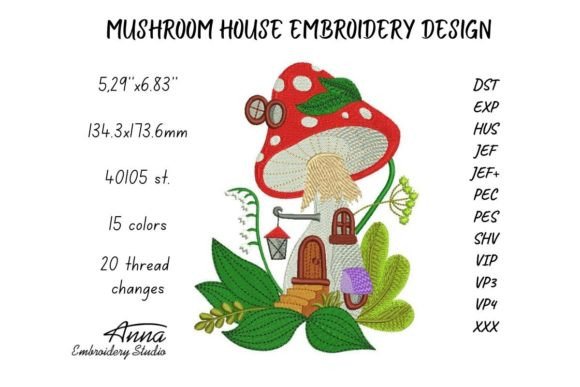
As an experienced embroidery designer who has spent countless weekends setting up booths at craft fairs, I know that the difference between a product that sits on the table and one that sells out in minutes often comes down to the design itself. When I first saw the Mushroom House Embroidery Design, I immediately began visualizing how it would look on a display table filled with handmade goods. The description paints a vivid picture: a colorful mushroom house intended for gnomes or forest fairies. This is not just a generic pattern; it carries a whimsical narrative that resonates deeply with current trends in cottagecore, rustic farmhouse, and magical woodland aesthetics.
The first impression of this machine embroidery design is undeniably charming. It feels soft, decorative, and premium without being overly complex. In the chaotic environment of a craft fair, where customers scan dozens of items in seconds, a design that evokes a story is a powerful tool. The concept of a "house" within a mushroom suggests shelter and magic, which are highly desirable themes for gift buyers. Whether you are an Etsy seller looking to boost your shop's visual appeal or a boutique maker curating a collection of small shop products, this embroidery file offers a strong focal point that can elevate simple items into unique treasures.
Product Versatility: Where Will It Shine?
One of the most critical factors for any commercial embroidery project is versatility. A single design should be able to adapt to various substrates to maximize your return on investment. The Mushroom House Embroidery Design appears to be exceptionally adaptable for several key categories.
- Tote Bag Design: Tote bags are the bread and butter of many craft fair sellers. Placing this design on a natural canvas tote creates an instant contrast that draws the eye. The colorful nature of the mushroom house ensures it stands out against neutral fabrics, making it an excellent choice for market bags that double as statement pieces.
- Apron Embroidery: For the home cook or garden enthusiast, an apron featuring this whimsical motif adds a touch of personality. The design works well as a chest pocket accent or a larger central feature, turning a utilitarian item into a giftable handmade product.
- Tea Towel Embroidery: Kitchen linens are a staple in the handmade industry. The soft, rounded shapes of the mushroom house complement the texture of linen or cotton towels perfectly. It adds a decorative element that fits seamlessly into modern farmhouse decor.
- Pillow Covers: As mentioned in the product details, this design is ideal for pillows. A plush pillow with a colorful mushroom house becomes a cozy centerpiece for a child's room or a reading nook, increasing the perceived value of the finished product.
- Caps and Patches: Smaller applications like caps or embroidered patches allow for quick production runs. If the stitch density allows, this could be scaled down for a cap front, appealing to younger demographics or those who love quirky accessories.
Selling Points and Visual Appeal
When evaluating a digital embroidery file for production, I always ask: does it photograph well? In the age of online sales, your printable mockup is often the first interaction a customer has with your brand. The Mushroom House Embroidery Design likely possesses high visual impact due to its color palette. Bright, contrasting colors tend to pop in photographs, catching the light and drawing attention even through a screen.
For booth display strength, this design offers a cohesive theme. You can create a mini-collection by applying the same design to different items—a set of matching tea towels, a tote bag, and a small pouch. This consistency builds brand recognition and encourages customers to buy multiple items. Furthermore, the whimsical nature of the design invites engagement. Customers often stop to ask about the inspiration behind a gnome house, giving you a perfect opportunity to share your crafting process and build a connection with the buyer.
From a production standpoint, the ability to batch produce is essential for profitability. If the design is clean and the stitch count is reasonable, you can run multiple units efficiently. However, the success of these batches depends heavily on proper setup and material selection.
Practical Considerations for Production
Before committing to a full run for a weekend market, there are technical aspects that must be addressed. Every embroidery file has its own requirements regarding hoop size and stabilizer usage. I strongly advise testing the Mushroom House Embroidery Design on scrap fabric first to ensure the dimensions fit your intended products.
Stitch Density and Detail: Designs with intricate details or dense stitch areas can sometimes lose clarity if not executed correctly. If the mushroom house includes tiny features like windows or doors, ensure your thread colors provide enough contrast to make them visible. On textured fabrics, such as thick terry cloth or heavy denim, fine details might get lost. In these cases, using a higher quality stabilizer and potentially adjusting the tension is crucial to maintain sharpness.
Fabric Texture and Color: The vibrancy of the final piece relies on the base fabric. Dark fabrics may require a specific underlay or thread choice to ensure the colors pop, while light fabrics offer more flexibility. Always compare fabric colors before starting your main production run to avoid surprises.
Small Lettering and Tiny Details: If the design includes text or very small elements, remember that these are the first things to degrade during wear or washing. For items like caps or children's clothes, where durability is paramount, ensure the design is robust enough to withstand handling.
Essential Designer Notes for Success
To guarantee that your finished product meets professional standards, follow these best practices derived from years of experience in the industry.
- Test on Scrap Fabric: Never skip this step. Test the design on the exact fabric type you plan to sell to check for puckering or distortion.
- Check Thread Contrast: Ensure the thread colors chosen for the design stand out against your fabric background. High contrast equals high visibility.
- Review Spacing and Hoop Size: Confirm that the design fits within your standard hoop sizes for the specific products you are making. An off-center design can ruin a tote bag or apron.
- Inspect Stitch Density: Look closely at the test sample. Is the stitching too tight? Too loose? Adjustments may be needed based on the fabric weight.
- Create Real Mockups: While digital mockups are helpful, nothing beats a real photo of the actual item. Use the physical sample to create your Etsy listings or social media posts.
- Confirm Commercial Licensing: Before selling any items made from this digital embroidery file, verify the license terms. Some designs are for personal use only, while others allow for commercial sales. Protect your business by ensuring you have the right permissions.
The Mushroom House Embroidery Design holds significant potential for craft fair sellers and creative entrepreneurs. Its whimsical theme aligns perfectly with the demand for unique, handcrafted items that tell a story. By paying attention to the technical details—such as stabilizer choice, fabric texture, and thread contrast—you can transform this design asset into a line of best-selling products. Whether you are decorating a kids' clothing line or creating a collection of home accents, this design offers a magical touch that is sure to captivate your audience.
Ultimately, the success of your handmade shop relies on the quality of the details. Taking the time to properly execute the Mushroom House Embroidery Design will result in products that feel premium, durable, and deeply loved by their new owners. With careful planning and a focus on visual appeal, this design can become a cornerstone of your craft fair booth or online store inventory.