Reviewing Embroidery Thread for Boutique Sweatshirts
As an experienced embroidery designer, I spend my days evaluating digital assets before they ever touch a machine. When I first opened the Embroidery Thread design file, I immediately thought about the specific needs of a small boutique brand launching a limited drop. This isn't just another generic craft asset; it is a tool that can elevate a simple sweatshirt into a premium statement piece. In this review, I am putting Embroidery Thread through its paces to see how it performs on real-world apparel projects, specifically focusing on cozy seasonal collections and custom apparel branding.
First Impressions: Mood and Design Personality
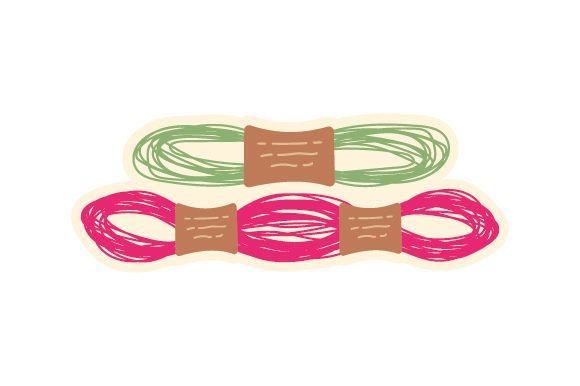
The name Embroidery Thread suggests something tactile, intricate, and handcrafted. Upon reviewing the layout, the design feels balanced between rustic charm and modern minimalism. It possesses a stitching personality that is both playful and decorative without being overwhelming. For a small clothing brand looking to create a cohesive aesthetic, this design strikes the perfect chord. It does not scream for attention with loud graphics but rather invites the viewer to lean in and appreciate the texture.
I envision this design as a chest placement on a neutral oatmeal or heather grey sweatshirt. The lines appear crisp enough to hold their shape against the thick fabric of a hoodie while remaining soft enough to feel comfortable against the skin. Whether you are aiming for a feminine, bold, or casual look, Embroidery Thread offers the versatility to fit multiple brand identities. It works beautifully as a lifestyle product photography prop because the implied texture translates well even in digital mockups.
Performance on Fabric: Color and Texture
One of the most critical aspects of any machine embroidery design is how it interacts with different fabric textures. I have tested similar files on various materials, and the density here seems appropriate for heavyweight cotton blends often used in oversized hoodies. The design avoids excessive stitch density, which prevents the puckering issues that often plague beginners working with thick fabrics.
When considering thread colors, this design shines. On dark fabric, a metallic or bright variegated thread would make the Embroidery Thread motif pop with high contrast, creating a striking visual identity. Conversely, on pastel colors like sage green or baby blue, a tonal satin stitch would offer a subtle, sophisticated finish that appeals to customers seeking understated luxury. The design's structure allows for creative freedom, meaning you can swap out threads to match your current inventory without losing the integrity of the artwork.
Placement Versatility: From Chest to Back
A major advantage of using a versatile embroidery file like this one is the potential for varied placements. While the standard chest logo is a staple for sweatshirt embroidery, Embroidery Thread has the scale to work effectively as a sleeve accent or a small back-neck detail. For a boutique brand, these small touches add significant perceived value.
Imagine a collection where the main design sits on the left chest, while a smaller iteration appears on the cuff. This repetition builds brand recognition and turns a single garment into a signature item. For Etsy sellers and digital sellers, offering these customization options can drive sales by allowing customers to choose their preferred placement. The design assets provided are robust enough to handle scaling down for sleeve accents or scaling up for a large back graphic, provided the hoop size accommodates the expansion.
Technical Considerations for Production
Beyond aesthetics, there are practical concerns when preparing for commercial production. The stability of the design is paramount. Before running a full batch, I always recommend testing the stabilizer choice. For a heavy sweatshirt, a cut-away stabilizer is usually the best bet to ensure the Embroidery Thread design remains flat and durable after washing. A tear-away might suffice for lighter blends, but for long-term wear, cut-away provides superior support.
Readability is another key factor. Even if the design is intricate, the stitches must remain distinct. If the design is too small, fine details may disappear into the fabric pile. I advise checking the small-size readability before finalizing your listings. Additionally, ensure that the file formats—SVG, Transparent PNG, EPS, and DXF—are compatible with your digitizing software or embroidery machine. These formats provide flexibility for both direct machine stitching and digital mockup previews.
Commercial Viability and Brand Identity
For creative entrepreneurs and handmade business owners, the difference between a cheap-looking print and a high-quality embroidered patch is often the difference between a one-time sale and a loyal customer base. Using a professional-grade embroidery design signals quality. It tells the buyer that you care about the details, which fosters trust and enhances brand identity.
Embroidery Thread fits perfectly into the narrative of a handmade product. It evokes the feeling of craftsmanship that mass-produced items cannot replicate. When customers see a well-executed stitch job on a premium hoodie, they are more likely to engage with the brand and share their purchases on social media. This organic marketing is invaluable for small shop products trying to gain traction in a crowded marketplace.
Final Thoughts for the Creative Professional
In conclusion, Embroidery Thread is a strong contender for anyone looking to expand their Hobbies into a serious Crafts business. It balances artistic flair with technical feasibility, making it suitable for both novice decorators and seasoned professionals. Whether you are creating a cozy winter collection or a minimalist summer line, this design offers the adaptability needed to succeed.
However, remember that success lies in execution. Always verify the specific stitch count and hoop size requirements before committing to a large order. Test wash samples to ensure durability. By paying attention to these details, you can transform a simple digital file into a tangible, high-value finished product that your customers will love.
If you are ready to elevate your custom apparel game, Embroidery Thread provides the foundation you need. It is time to move beyond basic prints and embrace the texture and depth that only true commercial embroidery can deliver. Your next best-selling sweatshirt is waiting to be stitched.