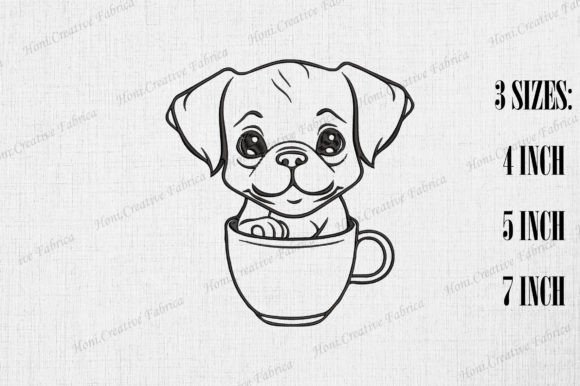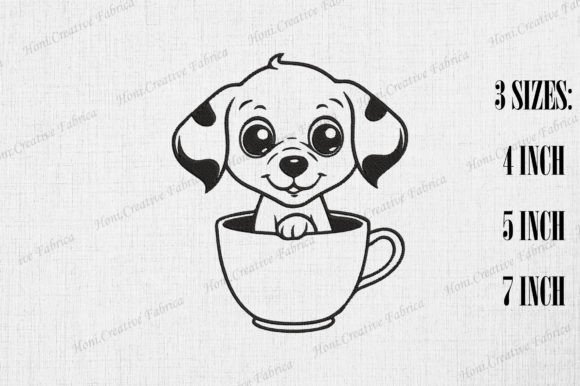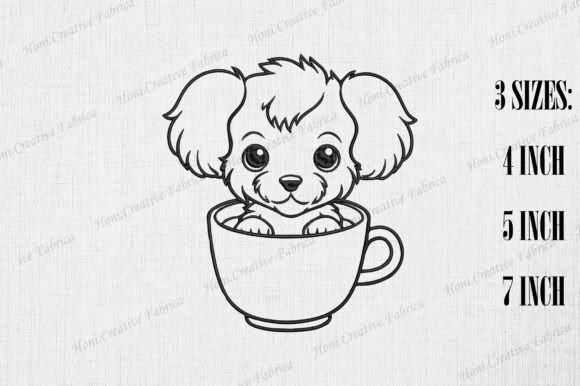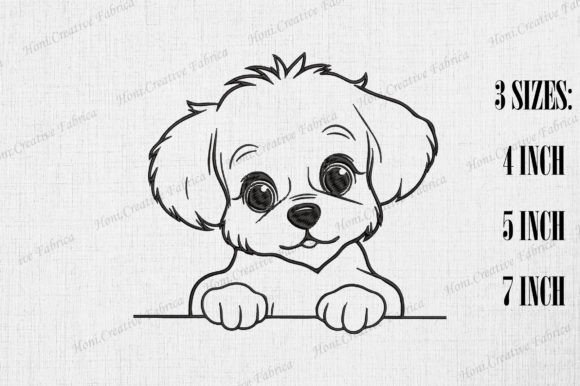
Mini Deer Dog Embroidery Design Review
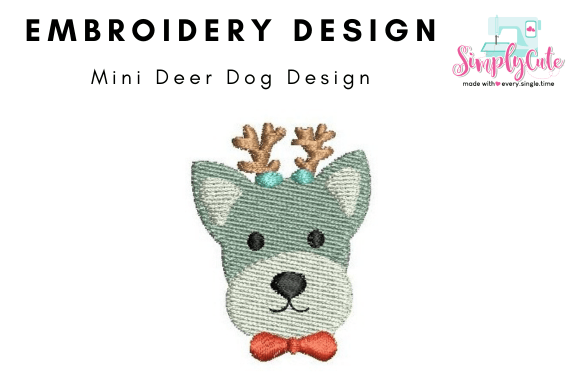
When I first opened the file for the Mini Deer Dog Embroidery Design, my initial reaction was a mix of curiosity and caution. As someone who has spent years refining designs for both personal gifts and commercial boutique lines, I know that a cute concept doesn't always translate to a clean stitch-out. This piece sits in that sweet spot between a whimsical accent and a potential production challenge. It is undeniably adorable, featuring a stylized canine with deer-like features, but the real question is how it behaves under the needle on real-world fabrics.
The First Stitch: Visual Personality and Mood
The design immediately exudes a playful, woodland charm. It feels less like a standard mascot and more like a storybook character, which gives it a unique personality. For an embroidery designer, the layout is compact enough to serve as a subtle accent on a larger garment or a bold statement on a smaller item. The visual weight is balanced well; it isn't so heavy that it will pucker thin cottons, nor is it so sparse that it looks unfinished on textured materials.
I envision this design fitting perfectly into a collection of nursery decor or a line of children's apparel. The mood is warm and inviting, making it an excellent candidate for personalized gifts where emotional connection matters. However, the specific details—the antlers, the ears, and the facial expression—require a certain level of thread density to truly pop. If the stitch density is too low, the character might look muddy; if it is too high, you risk fabric distortion. This balance is the first thing I check before approving any digital product for sale.
Real-World Application: From Scrap to Shop Floor
To truly test the viability of this embroidery file, I ran through several scenarios that mirror actual client requests. Imagine preparing a custom embroidered tote bag for a local craft fair. The Mini Deer Dog would sit beautifully near the handle attachment point or centered on a canvas bag. On sturdy canvas, the design holds its shape without excessive stabilizer, creating a professional finish that customers can feel the quality of.
Consider a small business owner selling holiday-themed sweatshirts. This design could be the hero of a "Winter Wonderland" collection. The contrast of the dog against a soft fleece or cotton blend creates a cozy aesthetic. When placed on a baby onesie, the scale works well, offering a gentle, non-threatening image that parents love for their little ones. It also translates effectively to kitchen towels and aprons, adding a touch of rustic elegance to home goods.
For those of us looking at commercial embroidery, the versatility is key. You could use this as a logo element for a pet boutique or incorporate it into a series of matching patches. The design assets are flexible enough to be resized slightly, provided you maintain the integrity of the smallest details. A common pitfall in machine embroidery design is losing definition when scaling down, but this particular layout seems robust enough to handle moderate adjustments for different product sizes.
Where to Proceed with Caution
Despite its strengths, there are specific contexts where this design requires careful handling. The primary concern lies in small hoop sizes. While the design is described as "mini," pushing it into a 4x4 hoop or smaller can sometimes compress the stitches, causing the fine lines of the antlers or the eyes to merge. Always verify your hoop size requirements before committing to a project.
Fabric texture is another critical factor. On highly textured fabrics like terry cloth or thick wool, the design might get lost or create uneven tension. Similarly, stretchy knits require a very stable application method. Without proper stabilizer, the constant movement of the fabric during stitching can lead to puckering, especially around the curved areas of the dog's body. Dark fabrics present a visibility challenge; unless you choose high-contrast thread colors, the nuances of the design may disappear into the background.
Curved surfaces, such as baseball caps, demand precision. The curvature of the cap can distort the perspective of the dog, potentially making the antlers look misaligned if the design isn't digitized specifically for curved hooping. Additionally, products that undergo frequent washing, like daily-use work shirts, need to be tested for durability. Dense stitch areas can sometimes trap lint or wear down faster than simpler running stitch patterns.
Impact on Product Value and Brand Trust
In the world of handmade commerce, the difference between a mediocre finish and a premium one often comes down to design execution. A well-executed Mini Deer Dog Embroidery Design elevates the perceived value of a product instantly. When a customer receives a tote bag or a shirt with crisp, clear stitching, they associate that quality with the brand itself. It builds trust and encourages repeat purchases.
Conversely, a poorly stitched version can damage a reputation. If the threads break, the edges are jagged, or the fabric is distorted, the buyer assumes the entire operation is unprofessional. This design has the potential to enhance brand consistency because of its distinct character. It stands out in a sea of generic animal motifs, giving Etsy sellers and small shop owners a unique selling proposition. The "giftability" factor is also heightened; a well-stitched, charming design feels more thoughtful and special, justifying a higher price point.
Practical Designer Notes for Success
Before you rush to produce a batch of finished products, there are essential steps every designer should take. First and foremost, test the design on scrap fabric that matches your final material. Do not assume that what worked on cotton twill will work on denim or jersey. Check the thread color contrast carefully; sometimes a thread that looks good on screen appears dull once stitched.
Review the stitch density within the software. Look for areas where fill stitches might overlap awkwardly or where satin stitches might crowd each other. Inspect the small details, particularly the eyes and the tips of the antlers, to ensure they won't blur together. It is also wise to create black and white mockups to see how the design reads in terms of light and dark values, independent of color.
Confirm whether the design works for both personal and commercial projects by reviewing the license terms. Many digital products have restrictions on how many items you can sell. Use proper stabilizer for your specific fabric type to prevent shifting. Finally, compare light and dark fabric backgrounds to ensure the design remains visible and vibrant regardless of the base material. By following these practical guidelines, you can ensure that your embroidery project results in a polished, professional finished product that delights customers and supports your creative business goals.