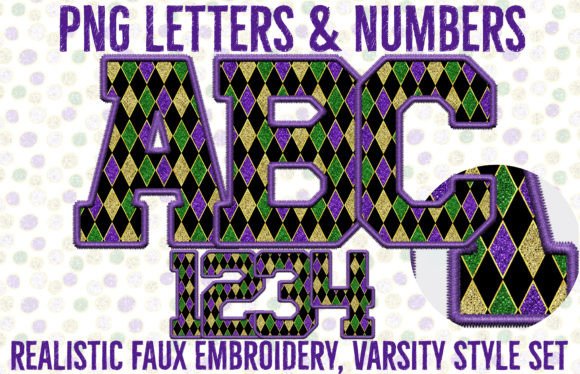
Mardi Gras Faux Embroidery Sport Letters Review
As an experienced embroidery designer who has spent years refining designs for small business merchandise, I approach every new asset with a critical eye. The difference between a design that elevates a brand and one that looks like a cheap afterthought often comes down to the specific file type and its intended application. Recently, I evaluated the Mardi Gras Faux Embroidery Sport Letters, a digital product listed under the Crafts and Graphics categories. This review focuses on how these files perform when transitioning from a screen to a physical product, specifically for custom apparel, embroidered patches, and branded accessories.
First Impressions: A Festive Yet Professional Vibe
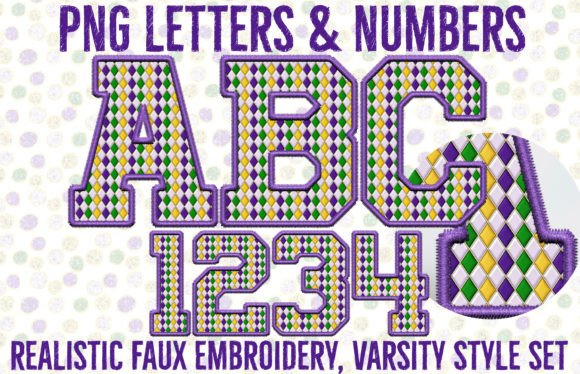
The moment you download the Mardi Gras Faux Embroidery Sport Letters, the aesthetic is immediately apparent. The "Sport" style suggests boldness and energy, while the "Faux Embroidery" aspect implies a textured, handcrafted look without the immediate commitment of stitching. For a small business owner, this is a crucial distinction. It feels friendly, playful, and premium simultaneously. Unlike rigid corporate fonts, these letters carry a personality that resonates well with creative studios, boutique shops, bakeries, and pet brands looking to inject some fun into their visual identity.
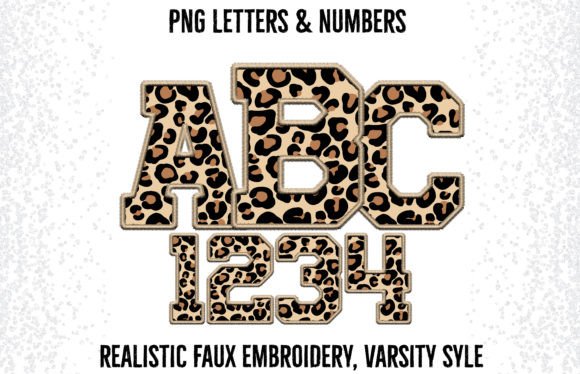
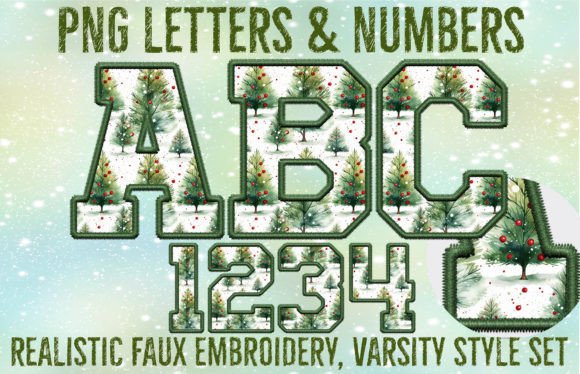
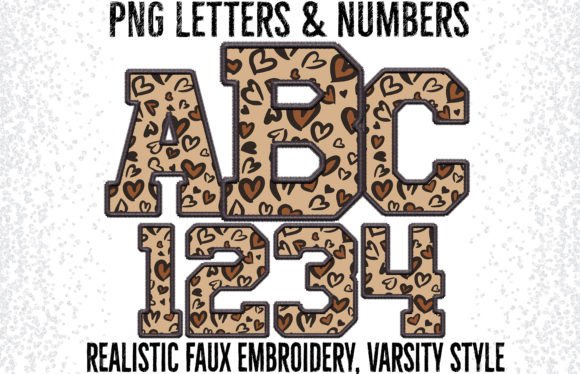
The design assets are delivered as finished PNG characters, including a comprehensive list of A-Z, 0-9, and extras like apostrophes and hyphens. While they are not editable vector files or SVGs, this format offers a unique advantage for certain workflows. The "finished" nature of the files means the visual complexity is locked in, which can be beneficial if you want to ensure consistency across different marketing materials before committing to production. However, it requires a different strategy than traditional machine embroidery design files.
Real Business Applications: From Patches to Aprons
In my experience working with Etsy sellers and local merch creators, versatility is key. How does Mardi Gras Faux Embroidery Sport Letters translate to real-world products? The most striking use case I envision is for creating custom embroidered patches. By using these PNGs as a reference or base for digitizing a true patch design, businesses can create chest logos, sleeve details, or back-of-shirt accents that scream quality. The sporty font works exceptionally well for staff uniforms, where legibility and brand recognition are paramount.
Consider a local café or a handmade soap shop. Imagine the logo embroidered on a high-quality apron. The faux texture of the letters adds a tactile dimension that flat printing cannot achieve. Similarly, for cap embroidery, these letters provide a classic silhouette that fits the curved surface of a hat brim or front panel. They are also ideal for tote bag designs, serving as a durable mark that withstands frequent washing and carrying. For product packaging accents, using these graphics in printable mockups allows designers to visualize how the final product will look before a single stitch is made.
The files serve as excellent design assets for commercial embroidery projects. If you are a decorator, you can use the PNGs to create mockups for client approval, showing them exactly how the text will appear on their chosen fabric. This helps manage expectations regarding thread colors and spacing. Furthermore, for businesses selling handmade products, these letters can be used to create branded product labels or hang tags that mimic the look of embroidery, adding a layer of perceived value to the item.
Navigating Technical Limitations and Risks
While the potential is high, there are specific areas where Mardi Gras Faux Embroidery Sport Letters requires careful consideration. Because these are raster images (PNGs) rather than vector-based embroidery files, they cannot be directly loaded into an embroidery machine. You must digitize them first, converting the image into stitches. This process introduces variables that affect the final outcome.
One major constraint is size. When attempting to use these letters for small patch sizes or tiny lettering on a cap front, the detail within the "faux" texture can get lost or become muddy during the digitization process. High stitch density, which might be needed to replicate the texture, can cause puckering on lightweight fabrics or distort the letter shape on curved surfaces. If you are working with dark uniforms, the contrast of the thread colors against the background becomes critical; the design relies on visual depth that may not pop if the color palette isn't carefully selected.
Additionally, items that require frequent washing, such as work shirts or heavy-duty aprons, need robust construction. If the underlying digitization doesn't account for the tension required by these specific letter shapes, the design may degrade over time. Textured fabrics can also hide the fine details of the faux embroidery effect, making the letters appear flatter than intended. Therefore, testing is non-negotiable before scaling up production.
Impact on Brand Identity and Customer Trust
A well-executed design does more than just look good; it builds trust. When a customer sees a small business using professional-grade Mardi Gras Faux Embroidery Sport Letters on their merchandise, it signals attention to detail. Visual consistency across all touchpoints—from the tote bag at a craft fair to the uniform worn by the barista—reinforces brand recognition. It tells the buyer that the business cares about the quality of the finished product.
This level of professionalism enhances the perceived value of the goods. A custom embroidered patch featuring these letters feels more exclusive than a screen-printed sticker. It elevates the item from a simple accessory to a piece of wearable art. For handmade brands, this distinction is vital for engaging buyers who are willing to pay a premium for authenticity and craftsmanship. The playful yet structured nature of the font supports a brand identity that is approachable but reliable.
Practical Designer Notes for Production
To ensure success with this design asset, I recommend following a strict workflow. First, test the design in black and white. This strips away the distraction of color and allows you to evaluate the shape and spacing of the letters objectively. Check if the design holds up when scaled down to a small patch size; if the details blur, you may need to simplify the digitization.
Review your thread color contrast meticulously. Ensure the chosen threads stand out against the fabric texture you intend to use. Confirm the hoop size early in the process to avoid framing issues, especially for larger words. Always test on real fabric scraps before running a full production batch. Using the proper stabilizer is essential to support the stitch density and prevent the garment from warping.
Create a detailed printable mockup for client approval to get sign-off on the layout. Compare the design beside other design assets to ensure it aligns with the rest of your visual language. Finally, and most importantly, confirm the commercial licensing terms. Since the product description states that the PNGs are sent as finished files and are not for editing, you must verify that you have the right to use them for commercial embroidery projects and resale of merchandise. Do not assume the license covers all uses without checking the specific terms provided by the creator.
In conclusion, Mardi Gras Faux Embroidery Sport Letters offers a vibrant and versatile option for small business owners looking to expand their merchandise lines. Whether applied to custom apparel, embroidered patches, or branded accessories, it brings a festive, professional touch to any project. By respecting its technical limitations and following rigorous testing protocols, designers can transform these digital graphics into tangible, high-value products that customers will love.