Girl Mama Embroidery: A Real-World Designer Review
As someone who has spent years turning digital files into tangible, wearable art for small businesses and personal gifts, I know that the success of a project often hinges on the design itself. It is not just about how cute an image looks on a screen; it is about how it translates to thread, fabric, and ultimately, the customer's hands. Today, I am evaluating the Girl Mama Embroidery file to see if it holds up under the pressure of real-world application, from a custom boutique tote bag to a heartfelt holiday gift.
The First Impression: Mood and Visual Personality
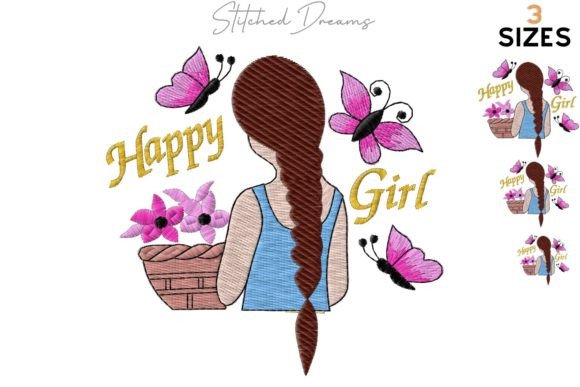
When you first open the Girl Mama Embroidery design, the immediate feeling is one of warmth and approachability. The layout feels balanced, avoiding the cluttered look that plagues many mass-market designs. It does not scream for attention but rather invites a closer look, which is exactly what you want for a piece meant to be worn or carried daily. The visual personality suggests a blend of modern typography with soft, organic shapes, creating a vibe that fits perfectly within the "Mother" category without feeling dated or overly sentimental.
For a designer, the initial check is always about detail density. Does the design have too much going on for a standard hoop, or is it sparse enough to look unfinished? This file strikes a healthy balance. It utilizes a mix of stitch types that suggest depth without becoming heavy. It feels like a design intended to make the wearer smile, whether it is stitched onto a canvas tote or a baby onesie. The aesthetic is versatile enough to work in a monochrome palette or a burst of pastel colors, giving crafters significant creative freedom.
Real-World Application: From Screen to Stitch
I recently put this design through its paces by imagining a specific scenario: creating a line of personalized gifts for a local craft fair. The goal was to produce high-quality embroidered tote bags and sweatshirts that felt premium yet accessible. Using Girl Mama Embroidery as the centerpiece, I considered how it would perform on different materials.
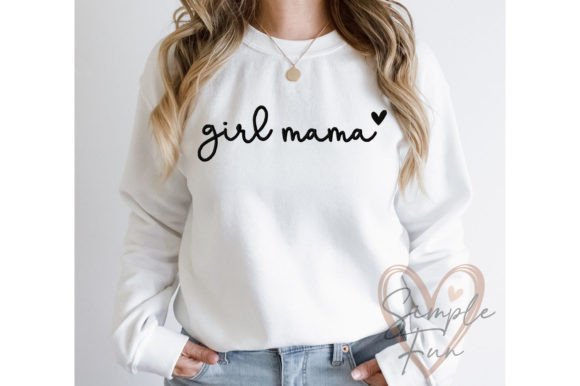
On a sturdy canvas tote bag, the design shines. The stability of the fabric supports the stitches well, allowing the details to pop without distortion. When applied to a cotton sweatshirt, the texture of the garment adds a cozy dimension to the finished product. However, the true test for any embroidery file is its adaptability. Could this work on a tea towel for a kitchen set? Yes. Would it translate well to a baby blanket for a nursery reveal? Absolutely. The design's clean lines ensure it remains legible even when scaled down slightly for smaller items like hats or aprons.
For Etsy sellers and small shop owners, the versatility of this file is a major asset. It allows you to create a cohesive collection where the same design theme appears across various products—pillow covers, holiday stockings, and custom apparel. This consistency builds brand recognition. When a customer sees your unique style repeated across different items, it signals professionalism and trustworthiness. The embroidery design acts as a signature element that elevates the perceived value of the entire handmade product line.
Navigating Technical Challenges and Fabric Choices
While the design is strong, every professional knows that context matters immensely. There are specific scenarios where Girl Mama Embroidery requires careful handling. For instance, attempting this on a highly textured fabric like a chunky knit sweater might obscure the finer details. The raised texture of the yarn could compete with the satin stitches, making the lettering or graphics less crisp.
Stretchy fabrics present another challenge. If you are working on thin jersey or loose-knit materials without proper stabilization, the tension of the machine can cause the design to pucker or distort. In these cases, the density of the fill stitches needs to be managed carefully. I recommend testing the design on scrap pieces of the actual fabric you intend to use before committing to the final product. This step is crucial for ensuring that the stitch density is appropriate for the material weight.
Dark fabrics also demand attention. While the design likely includes outlines, the contrast between the thread color and the background fabric is vital. On dark navy or black fabric, a light thread color might get lost unless the design includes a sufficient backing or a contrasting outline. Always review the thread color suggestions provided in the file instructions to ensure maximum visibility. Additionally, curved surfaces like caps can be tricky; while the design is flexible, extreme curvature can stretch the stitches, so using a cap hoop attachment and proper stabilizer is non-negotiable.
Design Assets for Commercial Success
For those looking to sell finished items or digital assets, understanding the limitations is key to maintaining customer satisfaction. A poorly executed machine embroidery design leads to returns and negative reviews, which can hurt a small business reputation. By choosing a design like Girl Mama Embroidery that offers clarity and structure, you reduce the risk of technical failures.
Consider the end-user experience. A customer buying a personalized gift wants to feel that the item is special. The quality of the embroidery directly influences their emotional connection to the product. If the stitches are uneven or the design looks blurry after washing, the sentiment behind the gift is diminished. Conversely, a clean, precise execution of this design reinforces the idea of care and craftsmanship. It tells the buyer that time and effort were invested in their purchase.
Practical Notes for the Embroidery Designer
Before you load this file into your machine for a client project, there are several checks you must perform. First, always run a test stitch on a scrap of the exact fabric and stabilizer combination you plan to use. This will reveal any potential issues with puckering, thread breakage, or registration errors.
Check the stitch density. If the design is too dense for a lightweight fabric, it may become stiff and uncomfortable. If it is too sparse, it may look thin and cheap. Adjustments to the underlay or topstitch settings might be necessary depending on your specific machine and thread type. Also, inspect the small details closely. Sometimes, tiny elements can get lost or merge together during the stitching process, especially on smaller hoops.
Verify your licensing terms before selling finished items made with this file. Some digital embroidery files come with restrictions on commercial use, while others allow you to sell unlimited finished products. Understanding these terms protects your business from legal complications. Finally, consider the longevity of the design. Will it hold up after multiple washes? Testing a sample and running it through a few cycles can give you confidence in the durability of the final product.
In conclusion, Girl Mama Embroidery stands out as a reliable choice for designers, crafters, and entrepreneurs. Its balanced composition and adaptable nature make it suitable for a wide range of projects, from simple home decor to complex commercial collections. By approaching the design with a critical eye and following best practices for stabilization and testing, you can transform this digital file into a stunning finished product that delights customers and strengthens your brand. Whether you are creating a unique gift for a friend or building a robust inventory for your online store, this design offers the foundation for high-quality, meaningful work.