Ethnic Floral Embroidery Pattern Review
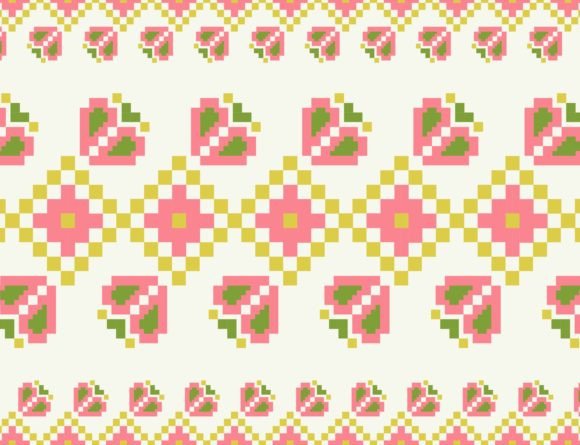
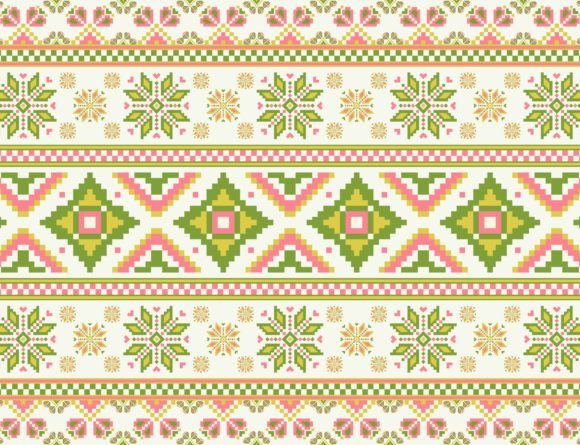
As an embroidery designer who spends most of my days balancing creative vision with technical feasibility, I am always on the hunt for design assets that offer both aesthetic appeal and commercial viability. Recently, I came across the Ethnic Floral Embroidery Pattern on Creative Fabrica, a resource I frequently turn to for inspiration and raw material. The product description highlights it as an ethnic geometric floral colorful pattern in a vector geometric floral shape seamless pattern embroidery pixel art style. This specific combination of elements—geometric precision mixed with organic floral motifs—caught my eye immediately. In this review, I will walk you through my honest assessment of how this digital embroidery file performs when translated from screen to fabric, particularly for those of you running handmade shops, Etsy stores, or boutique merchandise lines.
First Impressions and Visual Mood
The moment you download and open the file, the visual impact is distinct. Unlike traditional flowing florals that rely on soft gradients and delicate shading, this design leans heavily into a structured, pixel-art-inspired aesthetic. It feels modern yet rooted in traditional ethnic geometry. For designers looking to add a touch of cultural richness without overwhelming the viewer, this offers a perfect middle ground. The "pixel art" aspect suggests a blocky, digital charm that can translate beautifully into machine embroidery, provided the stitch density is managed correctly.
The color palette described as "colorful" implies high energy. When I visualize this on a neutral background, such as a cream canvas tote bag or a white baby blanket, the geometric shapes pop with vibrancy. However, the challenge lies in the transition from vector graphic to stitched reality. Geometric patterns require crisp edges, which means your digitizing software or the pre-digitized file must handle corners sharply. If the design is meant to be used as a machine embroidery design, the clean lines promise a professional finish that looks intentional rather than accidental.
Real-World Application: From Concept to Finished Product
I often test new designs by imagining them on actual products before committing to production. Here is how I see the Ethnic Floral Embroidery Pattern fitting into various categories:
- Tote Bag Design: A large-scale version of this seamless pattern could work exceptionally well on a heavy-duty canvas tote. The geometric nature adds a contemporary twist to a classic item, making it attractive for young professionals or students. It serves as more than just a bag; it becomes a statement piece.
- Sweatshirt Embroidery: For apparel decorators, placing a single, centered motif derived from this pattern on the chest of a crewneck sweatshirt creates a sophisticated look. Alternatively, using the seamless aspect for a larger back print (if scaled appropriately) can create a trendy streetwear vibe. The key here is ensuring the stitch density isn’t too heavy for knit fabrics, which can pucker if over-stitched.
- Baby Items and Nursery Decor: While "ethnic" might sound bold, the pixel-art style softens the complexity. On a white muslin swaddle or a nursery pillow cover, these shapes can look playful and artistic. Parents are often drawn to unique, non-traditional nursery themes, and this design offers a fresh alternative to standard stars or moons.
- Kitchen Towels and Aprons: Home decor items benefit from durable, visually interesting designs. The geometric resilience of this pattern means it won’t get lost in the texture of a waffle-weave kitchen towel. It adds a splash of color to the kitchen, making it an excellent candidate for gift sets or seasonal sales.
- Embroidered Patch: The self-contained nature of many ethnic geometric motifs makes them ideal for patches. You could isolate a section of the pattern, apply a satin stitch border, and attach it to denim jackets or caps. This is a low-risk, high-reward product type for craft fairs.
Technical Considerations and Practical Challenges
While the visual potential is high, every designer knows that the devil is in the details. When evaluating any embroidery file, we must consider the practicalities of stitching.
Hoop Size and Placement: Because this is a seamless pattern, you have the flexibility to use smaller hoop sizes for individual motifs or larger hoops for full repeats. However, if you are working on curved surfaces like a baseball cap, you need to ensure the design is simplified enough to follow the curve without distortion. Complex geometric intersections can sometimes appear muddy if the hoop shifts slightly during stitching.
Stitch Density and Fabric Type: The prompt mentions a "pixel art style," which often implies fill stitches. If the fill density is high, you risk creating a stiff area on the fabric. This is crucial for custom apparel where comfort matters. Always check the stitch count if available. If the design uses dense satin stitches for outlines, ensure your stabilizer is robust enough to prevent pull-out, especially on stretchy fabrics like jersey or spandex blends.
Thread Color Contrast: The success of a colorful pattern relies entirely on thread selection. Dark fabrics will require bright, opaque threads to make the geometric shapes visible. Light fabrics allow for pastels or muted tones, but you must ensure there is enough contrast between adjacent colors in the pattern. I recommend testing on scrap fabric first to see how the threads interact under different lighting conditions.
Impact on Brand Value and Customer Engagement
In the world of handmade businesses, presentation is everything. Using a high-quality graphic like this can elevate your brand perception. Customers associate intricate, well-executed embroidery with quality craftsmanship. When a buyer sees a sharp, colorful geometric pattern on a tote bag or apron, they perceive value beyond the cost of materials. It signals that you put thought into the design, not just the execution.
Furthermore, versatile designs like this allow for cross-promotion. You can photograph the same design on a tote, a pillow, and a shirt, creating a cohesive collection for your online store. This consistency builds trust and encourages customers to buy multiple items. The "ethnic" theme also taps into current trends favoring global aesthetics and artisanal vibes, which can boost engagement on social media platforms like Instagram and Pinterest.
Final Verdict and Recommendations
The Ethnic Floral Embroidery Pattern is a strong contender for designers looking to expand their catalog with modern, culturally inspired pieces. Its geometric clarity and vibrant potential make it suitable for a wide range of products, from personal gifts to commercial merchandise.
However, before you start mass-producing, please keep the following advice in mind:
- Test Thoroughly: Never skip the scrap fabric test. Check how the geometric lines hold up after washing and drying.
- Verify Licensing: As with all design assets from Creative Fabrica, carefully read the license agreement. Ensure you are permitted to sell finished physical goods made with this design. Some licenses restrict commercial use or require attribution.
- Optimize for Machine: If the file is a vector and not a pre-digitized embroidery format, you will need to digitize it yourself. Pay close attention to stitch direction and underlay stitches to maintain the integrity of the geometric shapes.
- Mockup Before Marketing: Create realistic printable mockups to see how the design looks on different backgrounds before listing it on Etsy or your own website.
If you are willing to invest time in proper digitization and testing, this pattern has the potential to become a bestseller in your shop. It bridges the gap between digital art and tactile craft, offering a unique selling proposition in a crowded market. Just remember to respect the source, verify the technical specs, and prioritize quality control to ensure your customers receive a product they will love and cherish.