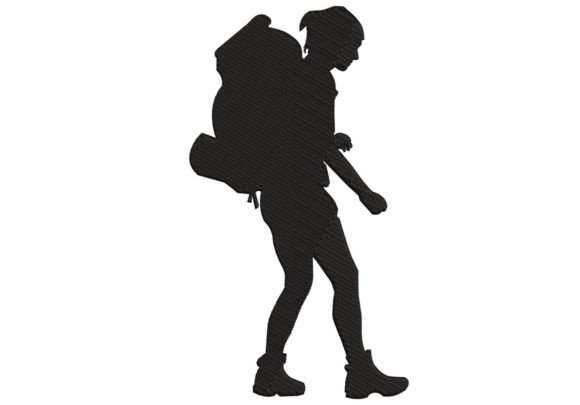
Embroidery Digitizing for Women Hikers
As a professional embroidery designer who has spent years refining digital files for commercial production, I recently evaluated the design titled Embroidery Digitizing for Women Hikers. The product description promises an intersection of style and adventure, suggesting that "Trailblazing Elegance brings a touch of personalized sophistication to your outdoor gear." From my perspective, this isn't just about creating a pretty image; it is about engineering a machine embroidery design that holds up under the rigors of small business merchandise. When you are producing branded patches, staff uniforms, or custom apparel, every stitch must serve a purpose in building your brand identity.
First Impressions: A Blend of Sophistication and Adventure
The initial reaction to this design concept is one of versatility. The title Embroidery Digitizing for Women Hikers immediately signals a niche market, but the description's mention of "Trailblazing Elegance" suggests a visual personality that balances rugged utility with premium aesthetics. In the world of embroidery file creation, finding a balance between playful and professional is difficult. This design appears to aim for a modern, classic look that could work beautifully for a boutique outdoor shop, a creative studio, or a local café looking to expand their inventory.
If the final output matches the promise of "personalized sophistication," we are looking at a design that elevates the perceived value of any item it adorns. It feels less like a generic sports logo and more like a curated design asset for brands that want to communicate reliability and style simultaneously. For a handmade product line, this level of detail can be the difference between a mass-produced feel and a bespoke experience.
Real-World Application for Small Business Merch
The true test of any digital embroidery file is how it performs on physical goods. I have reviewed how Embroidery Digitizing for Women Hikers translates to various high-demand items for small business owners and Etsy sellers.
- Embroidered Patches: This design is ideal for creating high-quality embroidered patches. Whether used as a chest logo accent on a jacket or a decorative element on a backpack, the "elegance" mentioned in the description suggests fine lines that will hold up well when cut out and applied.
- Cap Embroidery: A cap front is a prime location for branding. If the design maintains its integrity on curved surfaces, it serves as a perfect signature piece for a team of guides or a staff uniform.
- Tote Bag Design: For crafters and florists, a tote bag is a walking billboard. Using this design on canvas totes creates a strong visual statement that reinforces brand recognition without overwhelming the fabric texture.
- Apron Embroidery: Small businesses in the food and beverage sector often use aprons as uniforms. This design could add a unique flair to bakery or café staff wear, turning a functional garment into a marketing tool.
- Product Packaging Accents: Imagine stitching a small version of this onto the tags of handmade soaps, candles, or pet products. It adds a layer of professionalism that customers appreciate.
In these scenarios, the design acts as a bridge between the artisanal nature of a small business and the polished look of a larger corporation. It enhances customer trust by showing attention to detail in the finished product.
Strategic Considerations and Potential Pitfalls
While the potential is high, a seasoned designer knows that not every design fits every application without modification. There are specific areas where Embroidery Digitizing for Women Hikers requires careful evaluation before committing to a full production run.
Small Patch Sizes and Lettering: If you plan to use this design for tiny product labels or very small patches, you must scrutinize the stitch density. Fine details that look great in a mockup can disappear or merge together when reduced in size. Ensure that any text within the design remains legible.
Curved Surfaces and Hoop Size: Cap fronts present a challenge due to their curvature. The design must be digitized with proper pull compensation to prevent puckering. Additionally, confirm the recommended hoop size; attempting to embroider a large, detailed design in a small hoop can lead to registration errors.
Fabric Texture and Color Contrast: This design may struggle on highly textured fabrics like heavy wool or coarse burlap, where stitches cannot lay flat. Furthermore, if you intend to use it on dark uniforms, you must verify the thread colors. Light threads may require a dense underlay, which increases the risk of stiffness. Always inspect spacing to ensure the design does not look cluttered against dark backgrounds.
Washing and Durability: For items that need frequent washing, such as work shirts or aprons, check the stability of the stitches. High stitch density can sometimes cause fabric distortion over time. If the design includes long satin stitches, they may snag on rough gear unless properly stabilized.
Impact on Brand Identity and Professionalism
Investing in high-quality digitizing directly affects your brand identity. A crisp, well-executed commercial embroidery project signals to your customers that you care about quality. When a customer sees Embroidery Digitizing for Women Hikers stitched perfectly on a tote bag or a cap, it validates the price point of your merchandise. It transforms a simple accessory into a desirable collectible.
This visual consistency builds buyer engagement. Whether you are selling custom apparel or handmade products, the design becomes a recognizable symbol of your business values. It suggests that your brand is "trailblazing" and elegant, just as the description implies. However, this only works if the execution is flawless. A poorly digitized file can damage credibility faster than a bad product.
Practical Designer Notes for Production
Before you send this file to your production partner or start your own machine, follow these essential steps to ensure success.
- Test in Black and White: Convert the design to grayscale first. This helps you visualize the stitch density and contrast without the distraction of color.
- Check Small Patch Viability: Reduce the design to 1 inch or smaller to see if details remain distinct. If it looks muddy, simplify the digitizing.
- Review Thread Colors: Select thread colors that offer high contrast against your target fabric. Avoid using similar shades for outlines and fill.
- Inspect Spacing: Look at the negative space within the design. Crowded elements can make the embroidery look cheap.
- Confirm Hoop Size: Ensure your machine setup matches the design dimensions to avoid trimming issues.
- Test on Real Fabric: Do not rely solely on digital previews. Stitch the design on the actual material you plan to use to check for puckering or thread breaks.
- Use Proper Stabilizer: Choose a stabilizer that matches the weight and stretch of your fabric. A lightweight tee shirt needs different support than a heavy-duty canvas tote.
- Create a Printable Mockup: Before cutting fabric, generate a printable mockup for client approval. This allows stakeholders to visualize the final product.
- Compare with Other Assets: Place this design beside your other logos to ensure visual consistency across your brand identity.
- Verify Commercial Licensing: Most importantly, confirm the commercial licensing terms. Ensure you have the right to sell products featuring this design.
By following these guidelines, you can maximize the value of Embroidery Digitizing for Women Hikers as a key component of your small business merch strategy. Remember to check specific technical details like stitch count and file format with your supplier, as these vary by production method. With careful planning, this design can become a cornerstone of your branded merchandise, offering a sophisticated touch that resonates with your audience.