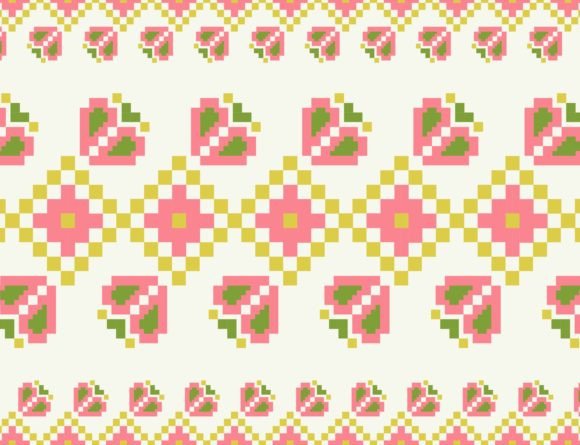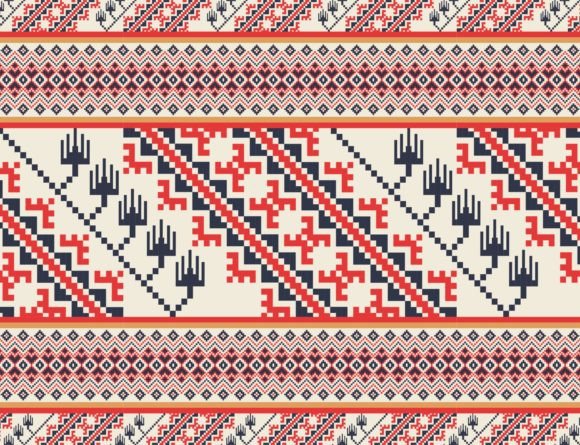
Aztec Geometric Embroidery Pattern Review
As a designer who spends more time staring at digitized stitch paths than actual fabric, I have learned to trust my gut before I ever thread the machine. When a new asset lands in my inbox—specifically one labeled as an Aztec Kilim geometric embroidery pattern with pixel-art influences—I don’t just look at the preview image. I look for structure. I look for stitching logic. And most importantly, I look for how it will translate from a vector graphic into a tangible, wearable, or usable handmade product.
I recently put this Aztec Geometric Embroidery Pattern through its paces, not just as a digital asset but as a potential centerpiece for a real-world client project. The goal was to create a line of boutique merchandise that feels ethnic and grounded but remains modern enough for everyday wear. Here is my practical assessment of how this design performs when it leaves the screen and enters the hoop.
First Impressions: Mood and Visual Personality
The moment you open this Graphics file, the mood is distinct. It carries the weight of traditional kilim weaving but filters it through a contemporary, almost digital lens. The "pixel art style" mentioned in the description is not a flaw; it is a feature. In the world of machine embroidery design, sharp angles and blocky shapes often stitch cleaner than organic, flowing curves, which can sometimes suffer from thread breaks or puckering if not digitized perfectly.
This design feels confident. It has a strong visual personality that works well for brands looking to convey heritage, craftsmanship, or bohemian chic. For an Etsy seller or a small shop product owner, this aesthetic hits a sweet spot. It is recognizable without being cliché. It avoids the overly intricate floral tropes that saturate the market, offering instead a bold, graphic statement that reads clearly even from a distance.
Real-World Application: The Tote Bag Test
To truly evaluate any embroidery file, you have to imagine it on a specific item. My test case was a custom embroidered tote bag made from heavy-duty canvas. This is a common request for craft business owners preparing for holiday markets or building brand awareness.
When I placed the Aztec Geometric Embroidery Pattern on the front panel of the tote, the seamless nature of the vector shape allowed me to scale it up significantly without losing definition. The geometric blocks created a stunning focal point. Because the design relies on distinct shapes rather than delicate shading, it held up beautifully against the rough texture of the canvas. Customers walking by could immediately identify the pattern’s origin and style, which added perceived value to the finished product. It looked like a high-end boutique item rather than a quick craft fair hack.
However, I also tested it on a softer, lighter fabric—a linen blend tea towel. Here, the results were mixed. While beautiful, the geometric precision required a very stable base. Without proper support, the tension pulled slightly, softening the sharp "pixel" edges. This taught me that while the design is versatile, it demands respect regarding fabric choice and stabilization.
Where to Use It (And Where to Hesitate)
Not every embroidery project is suited for this level of graphic intensity. Based on my experience, here is where the Aztec Geometric Embroidery Pattern shines, and where you should exercise caution.
- Best For: Structured items like sweatshirt embroidery, denim jackets, aprons, and pillow covers. These surfaces provide the stability needed to maintain the crisp lines of the geometric shapes. It also works exceptionally well for embroidered patch applications where durability is key.
- Caution With: Small hoop sizes and curved surfaces. Trying to fit this dense, expansive pattern onto a standard baseball cap or a small baby bodysuit might result in a cluttered look. The individual elements need breathing room to be appreciated. If you are designing for baby embroidery, consider using only a corner motif rather than the full seamless repeat.
- Fabric Texture: Be wary of highly textured fabrics like chunky knits or terry cloth. The needle penetration required for the fill stitches may cause the fabric to distort. Stick to flat weaves like cotton, linen, or blended twill for the cleanest finish.
Stitching Clarity and Technical Considerations
One of the biggest risks with pixel-art inspired designs is that they can become muddy if the stitch density is too high. In this review, the design appears to balance fill stitch areas with negative space effectively. This prevents the final piece from feeling stiff or board-like, which is a common complaint among customers buying custom apparel.
Thread color selection is critical here. Because the pattern is monochromatic in many of its vector iterations, the choice of thread can completely change the vibe. A single-color black-on-white setup gives it a stark, modern look suitable for urban streetwear. However, introducing multiple thread colors—perhaps earth tones like terracotta, olive, and cream—can bring out the "Kilim" aspect of the name, making it feel warmer and more home-decor focused. I recommend testing your thread colors on scrap fabric first to ensure contrast is sufficient, especially if you plan to use dark fabrics.
Always inspect the small details. In some zoomed-in sections, the geometric intersections are tight. Ensure your digitizer has provided adequate underlay stitches to keep these areas flat. If you are importing this as a digital embroidery file to edit yourself, check the jump stitches. Long jumps across large geometric blocks can lead to thread nests, so trimming and repositioning may be necessary for a professional result.
Commercial Potential and Brand Consistency
For the creative entrepreneur, versatility is money. The Aztec Geometric Embroidery Pattern is not just a standalone design; it is a design asset that can anchor a collection. Imagine a matching set: a tote bag, a kitchen towel, and a nursery wall hanging, all featuring variations of this same geometric language. This creates brand consistency that builds customer trust.
It also lends itself well to printable mockups. Before committing to physical production, you can overlay this design on digital templates of sweatshirts or caps to see how it looks in context. This saves time and material costs, allowing you to refine your commercial embroidery offerings before they hit the shelves. The pattern’s ethnic yet modern appeal makes it a safe bet for broad audiences, reducing the risk of unsold inventory.
Final Verdict
The Aztec Geometric Embroidery Pattern is a robust, stylish, and commercially viable addition to any library. It bridges the gap between traditional textile aesthetics and modern digital design, offering a fresh take on a classic theme. Whether you are creating personalized gifts for friends or scaling up production for your online store, this design provides the structural integrity and visual punch needed to stand out.
Just remember: the best embroidery starts with preparation. Check your stabilizer choices, confirm your hoop size limits, and always run a test stitch. When executed correctly, this pattern transforms simple fabric into a statement piece that celebrates both heritage and innovation. It is a smart buy for anyone serious about elevating their craft business output.